Are Menopause And Urinary Incontinence Linked?: Rafael J Perez, Md, Facog: Urogynecologist
The Link Between Menopause And Urinary Incontinence: A Systematic Evaluation
While you could see the first symptoms during perimenopause, postmenopause is the moment when incontinence commonly comes to be even more visible, much more consistent, and most likely to require active management. Naturally, as you age, other things can create urinary system incontinence. Let's discuss what else might be happening and afterwards find some efficient methods to handle it. The bladder is a balloon like muscular tissue that increases as it full of urine. Over time, the bladder loses tone and it becomes more difficult to clear the bladder totally.Schedule a visit with a WWMG Health Care Carrier to review therapy options and make a plan for protecting against UTIs and urinary system incontinence as you age. Magnesium and bladder control are usually connected due to magnesium's duty in muscle mass function. Some people report fewer nighttime advises or muscle mass convulsions after enhancing their magnesium consumption. It should be carefully discussed with a healthcare provider, particularly for those with a background of hormone-sensitive problems. As levels go down because of menopause, this can develop a one-two punch, and several women experience both conditions at the same time. It's the urge that you (or a good friend) have actually most likely experienced when you're getting back, keys in the door, and do not make it to the restroom on time.
Childbirth
Surgery to repair and raise your bladder right into a much better position is commonly the last option for UI therapy. It's thought about for individuals who can not be assisted by various other types of treatment. Infections of your urinary system or bladder may create momentary UI. When the infection is cleared, your UI will likely settle or Incontinence Direct treatment boost. Among the most handy means to alleviate bladder problems in perimenopause is with healthy bathroom habits.

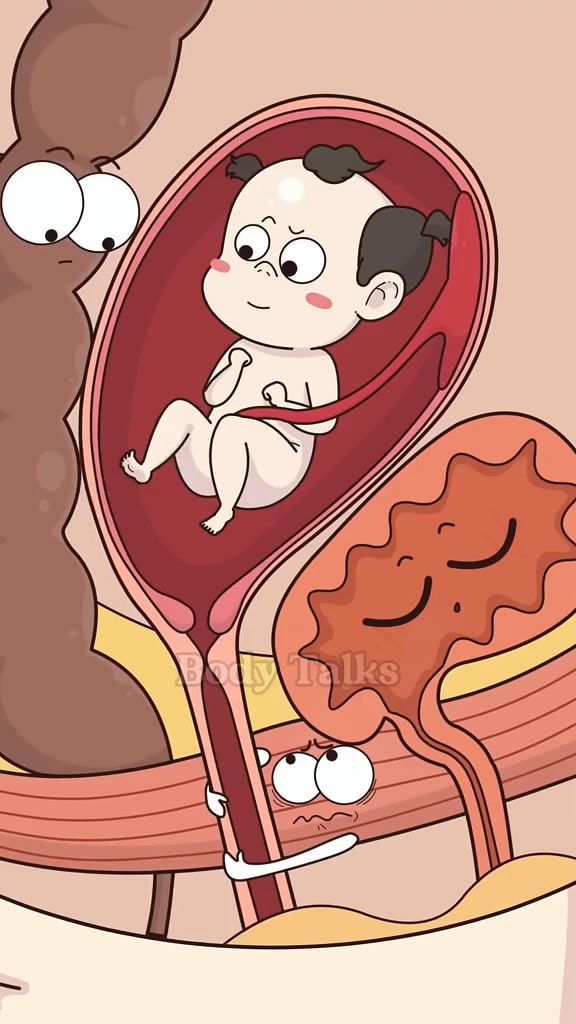
Female Urinary System Incontinence: It's More Usual Than You Think, However We Have Solutions
- Some females experience minimized signs and symptoms of impulse and stress incontinence with hormone-based therapies.
- This creates an unexpected, strong urge to pee that you may not have the ability to manage.
- Later on in life, the extreme drop in estrogen during menopause triggers the tissues of the urethra and bladder lining to become thinner, drier, and much less flexible.
- Persistent, or long-lasting, bowel irregularity can influence your bladder control.
- A number of therapy choices exist for managing urinary system incontinence throughout menopause.
While this change causes numerous hormone adjustments and signs, one lesser-discussed concern that impacts numerous ladies throughout menopause is urinary incontinence. Rayyan was made use of to verify the search results, guaranteeing methodological precision and dependability [8] The first search yielded titles and abstracts, which were then evaluated for relevance based on the predefined inclusion and exemption criteria. The research team conducted an extensive assessment of all researches that fulfilled the incorporation parameters.
Medical Options
For instance, you could just leakage a couple of drops of urine when you laugh, exercise, coughing, or grab hefty things. Or you may experience a sudden urge to urinate and be not able to keep it in before reaching the bathroom, causing a mishap. While urinary incontinence can influence individuals of all ages, it's particularly common in females due to variables like pregnancy, childbirth, menopause, aging, and hormonal adjustments.
While several of these solutions may offer general assistance, none are shown to treat urinary incontinence by themselves. The majority of findings are early-stage, and supplements aren't managed like medications. For security and performance, it's ideal to speak with your doctor before attempting any type of brand-new supplement. Physical adjustments like creating less estrogen, the thinning of vaginal tissues, pelvic organ prolapse, and difficulty emptying the bladder can all contribute to regular UTIs. Significantly, some females might prevent workout, travel, or even intimate relationships as a result of anxieties of urinary incontinence, therefore dramatically influencing their overall wellness and way of living [5] Some ladies have bladder control problems after they quit having periods. Researchers believe having low levels of the hormone estrogen after menopause might deteriorate the urethra.8 The urethra assists keep pee in the bladder up until you are ready to urinate.